My Top 40 Films of the Decade

By Jonathan Dorst

The decade spanning 2010-2019 was a great decade for film. It saw many new, ethnically diverse, voices behind the camera, such as Barry Jenkins, Ava DuVernay, Jordan Peele, Taika Waititi, Ryan Coogler, Asghar Farhadi, Alex Garland, and Damien Chazelle, as well as veteran directors like Terrence Malick, Christopher Nolan, Paul Thomas Anderson, Alexander Payne, and the Dardennes doing their thing. The rise of Netflix and Amazon gave a greenlight to many good films that would have never seen the light of day in a market increasingly intolerant to anything not franchise or horror-related. The rise of Movie Pass and other subscription services (I love being an AMC A-Lister, I have to say) proved that traditional theaters have a lot of avenues still to explore before ceding to the streaming services. Who knows what the upcoming 20’s will bring (hopefully not a stock market crash like the last century’s 20’s brought), but I can’t wait to see the stories that will be told on the big screen in the future.

Here is my list. It was very hard to whittle down to 40. If I’d kept going to 50, I would have included some combination of the following: In a Better World, Mud, Shoplifters, Beautiful Boy (2010), The Social Network, Birdman, Silence, The Lobster, The Salesman, The Big Short, The Mill and the Cross, Won’t You Be My Neighbor, Hugo, A Separation, 12 Years a Slave, The Witch, Eighth Grade, Take Shelter, Frances Ha, Arrival, and The Light Between Oceans.

  1. The Tree of Life– a profound exploration of life and death, and the grace, pain, and beauty in between. More of my thoughts here.
  2. Whiplash– an intoxicating look at the thin line between pushing someone towards greatness and pushing them too far.
  3. Inception– a retelling of Theseus and the Minotaur, as well as a sly commentary on film creation, this movie has big ideas and still works as an action/heist film.
  4. The Past (2013)- we may be through with the past, but the past is not through with us, and reliving it is sometimes as hard as seeing through a rain-splashed windshield.
  5. Another Year– a touching, grounded look at the effect of a loving married couple and the normal, everyday kindness they show to those around them.
  6. Ex Machina– a retelling of the creation story in Genesis mixed with the standard, but piercing, questions that good sci-fi asks about humanity and artificial intelligence.
  7. Fences– a character drama that asks the questions, what is a life well-lived, and what do we owe one another in the midst of the struggles of life? Read more of what I thought here.
  8. Parasite– one of the best commentaries on class that works on so many different levels.
  9. The Kid With a Bike– I am just a sucker for the Dardenne Brothers’s style of storytelling- dropping you in the middle of a person’s life and giving you a compassionate view of their struggles without the paint-by-numbers plot or explanatory dialogue. This is one of their best films.
  10. Manchester By the Sea– not all tragedies end in understanding, not all pain gets healed; life is more complex than that, and this movie gets that in a profound way.
  11. Get Out– a tale about the commodification of black bodies and the fear implicit in finding out that even your allies don’t always have your best interest in mind.
  12. Marriage Story– a truthful, though not unhopeful, story that reminds us that dissolving a marriage is like pulling off a band-aid and realizing there’s a gaping wound there.
  13. Annihilation– a study in self-destruction with a great cast and solid sci-fi scenario.
  14. August Osage County– I’ve known dysfunctional families, where sometimes the only reason they see each other is out of duty, and this film’s characters rang true.
  15. Baby Driver– the best movie of one of our best working directors, Edgar Wright. You can read my thoughts on it here.
  16. Hell or High Water– a dudes’ movie, eminently rewatchable, with a great relationship between the two brothers at its core.
  17. L’Attesa– a film that boasts beautiful compositions and Juliette Binoche’s eyes which express so much grief and emotion. You can read what I wrote about it here.
  18. The Unknown Girl– a compassionate look at the question of what responsibility we have towards our neighbors who might be strangers.
  19. Us- a reminder that the line between the haves and have-nots is a lot thinner than most of us think.
  20. A Hidden Life– you can read my thoughts on Malick’s second best film here.
  21. Phantom Thread- a story about a controlling man changed by a woman is also a story about how love upsets our carefully laid plans, and is also a story about accepting death.
  22. Her– the truth at the bottom of this tale is spot on- we lose a lot when we substitute disembodied relationships for real relationships.
  23. The Immigrant– a criminally ignored work of art from the great James Gray; Marion Cottillard is brilliant.
  24. Inside Out– Pixar is operating on a different level from any other animation studio, and this is my favorite Pixar; all parents & would-be parents need to see this.
  25. Selma– a biopic that sidesteps the great-man-singlehandedly-changes-history fallacy and presents a rather balanced and insightful view of the period.
  26. Certified Copy– one couple experiences their whole relationship in a day, is what I think happened in this mysterious, but thoughtful film.
  27. Before Midnight– the realistic and hopeful conclusion to a wonderful trilogy about relationships; if Before Sunrise ponders what might be; Before Sunset, what could or should be; Before Midnight ponders what is.
  28. Hunt for the Wilderpeople– a family favorite, maybe the most re-watchable movie on this list.
  29. The Last Black Man in San Francisco– a mournful but playful look at gentrification, displacement, and the longing for home.
  30. Brooklyn– Brooklyn- a more romantic view of immigration than The Immigrant, but a thoughtful story with wonderful performances, particularly by Saoirse Ronan.
  31. Lady Bird– growing up is hard, and having your kid grow up is even harder.
  32. Spotlight– a somber, piercing look at one of the worst systemic crimes and cover ups the world has ever seen.
  33. Black Panther– if Wakanda is a stand-in for America, this is a thoughtful exploration of foreign policy with the background of America’s racial scars.
  34. First Reformed– what does God want from us personally when it comes to global issues like environmental catastrophe?
  35. The Act of Killing– a shocking documentary that reminds you that evil is banal and especially easy to encourage when a government sanctions it.
  36. Nebraska– a film that makes more sense the older you get. Bruce Dern forever.
  37. Ida– how much of your life is based on your parent’s religion and nationality, and how much would your life change if you found out those things were much different than you thought?
  38. Moonlight– a very honest (and cinematic) look at what life might be like growing up without love.
  39. Jiro Dreams of Sushi- a profound meditation on the beauty of work and the pursuit of excellence.
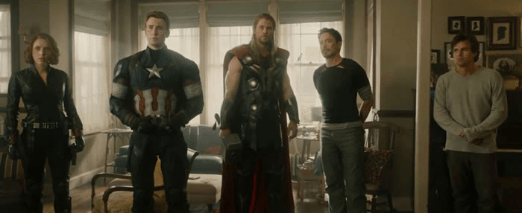
  40. Avengers: Age of Ultron– my daughter (the Madeleine who loves movies) opened my eyes to all that Joss Whedon had going on under the surface in this film, even if much of it didn’t pay off with future directors veering from Whedon’s vision.

Check out more of Jonathan’s reviews at:

https://www.patheos.com/blogs/chorusinthechaos/author/jonathandorst/

Top 50 Favorite Movies: (Part 2 of 2)

This is the second and final part of a list of my top 50 favorite movies of all time. The films are NOT in any numerical order because each film means something different to me, and their significance has changed as I have changed. This is under no pretense a “best movies of all time” list.

I judge these films on three criteria.

  1. Quality of the filmmaking
  2. Relevance and message (social perspective, if it accomplishes what it sets out to do, and what I believe it adds to the world.)
  3. How much I like it (enjoyability factor, my viewing experience, personal significance, etc.)

These are all, of course, my opinion, and will change over time and as I see more great films. I hope you will share your favorite movies, and maybe want to check out a few of mine!

Fiddler on the Roof

🎶If I were a rich man. Daidle deedle daidle Daidle daidle deedle daidle dumb🎶

The Avengers

The Avengers began an incredible era of superhero filmmaking, and despite being relatively small compared to films it would later spawn (like Endgame) the first Avengers movie still remains one of the strongest Marvel entries in terms of memorable character interactions and action sequences. 

The Sound of Music

This movie’s music is, as the kids say, fire. Julie Andrews? Perfect. Everything else? The ideal movie musical. 

Pete’s Dragon (1977)

Pete’s Dragon holds a special place in my family’s history, but even without the nostalgia, this film is the ideal family movie. The story of a boy and his dragon has memorable performances by Jim Dale, Mickey Rooney, and Helen Reddy, the music is catchy, the animation and live action hybrid isn’t too shabby, and if you have only seen the lifeless 2016 remake, you’re doing yourself a disservice. 

Finding Nemo

Do I really need to defend Finding Nemo? Pixar’s ocean odyssey about parent-child relationships and letting go is breathtaking storytelling, a true epic. 

Okja

Bong Joon-ho’s whimsical and dark parable about the modern food industry didn’t convince me to go vegetarian, but it did take my breath away. The energy and boldness of the film is only comparable to Sorry to Bother You (also on this list). If an Alice in Wonderland-like adventure into a funhouse mirror version of our corporate food-branding landscape isn’t intriguing enough, watch it for Jake Gyllenhaal basically playing a Batman villain, Tilda Swinton playing twins, and Paul Dano giving a performance that may make you cry. 

Hunt for the Wilderpeople

Taika Waititi’s sweet and spunky story of a boy and his foster dad running through the New Zealand wilderness to hide from the authorities is laugh-out-loud funny and often touching. Sam Neil is at his grumpiest and newcomer Julian Dennison is a talent to be watched. Don’t believe me? Please just watch this scene with Taika Waititi’s cameo

Inkheart

As I say in my review of the film: 

“There is something otherworldly and magical about seeing prestigious actors in B-level fantasy roles that I will never grow tired of. Helen Mirren riding a unicorn, Jim Broadbent watching on as Andy Serkis is eaten by a mythical shadow-monster, and Paul Bettany talking to a ferret and breathing fire is the movie I never knew I wanted.”

Get Out

Get Out is the kind of film that could only be made by a comedian, and it’s just an added bonus that Jordan Peele is already a master horror director on his first go. Comedy and horror both explore a culture’s taboos and anxieties, poking and prodding at them in different ways that may make you laugh or scream, or in the case of Get Out, both. 

Mulan

This Disney animated princess movie is also a full-blown war movie, with stunning animation and a great soundtrack. Don’t mess it up, upcoming live-action remake!

Up

People talk about the first ten minutes of this film being one of the best (and most emotional) scenes in cinema, and it is. But the rest of the movie is just as excellent as a meditation on moving on without loved ones, chasing old dreams, and realizing the life you are given is the best adventure you can have. 

The Hunchback of Notre Dame

This underrated Disney adaptation of Victor Hugo’s classic has major tone problems, but when it’s not trying to do a Genie rip-off with Jason Alexander’s gargoyle, it’s a dark and sophisticated tale about injustice and a look at what can happen to a religious man who doesn’t understand his own religion. I can’t watch the “Hellfire” sequence without getting chills. 

It

I’m a wimp when it comes to horror movies, but It (the first one) captured my heart with its Goonies-style “Losers Club” and a scary, but more just odd, Pennywise, played by Bill Skarsgard. It’s immensely watchable and unnerving.

Sorry To Bother You

Have you ever wondered why corporations are able to monetize activist movements so efficiently? Have you ever felt the effects of capitalistic dehumanization? Have you ever wondered what a half horse-half man abomination would look like? Well, Boots Riley has the movie for you in this bizarre retelling of Dante’s Inferno, as our protagonist travels further and further into the darkness of our societal ills. 

Short Term 12

One of the reoccurring motifs in this movie comes from the fact that the youth at the care unit are there voluntarily, and if they run past the gates, they’re free and the staff can’t touch or restrain them. So frequently kids go awol and try to run away. The staff members run after them and follow them as far as they can, walking behind them, and waiting for the kids to collapse or choose to go back with them. 

This image, of walking with someone, refusing to leave them, never giving up on them, and always being there to listen, struck me deeply as a moving portrait of the good shepherd in the Bible. It’s a depiction of what Jesus says he does for us, and in return, we can do for others. This is what it means to live life with people.

Shoplifters

Shoplifters tells the story of a makeshift family at the edges of society in modern-day Tokyo. It raises questions about when doing the moral thing is not the legal thing with sensitivity and care. 

Annihilation

My favorite film of 2018, this psychological thriller starring Natalie Portman brings up questions of self-destruction with a sinister yet stunning alien backdrop. Come for the sci-fi adventure, stay for an existential crisis. 

First Reformed

Paul Schrader’s story of a pastor with a crisis of faith over his fear of climate change still haunts me. 

Avengers: Age of Ultron

There is a unique form of persecution that comes with telling people Avengers: Age of Ultron is your favorite and the best Marvel movie. This film has signs of growing pains, as it was one of the first MCU movies to really start expanding the universe and setting up multiple movies in one film, but despite these problems, it is the most thematically coherent (and bold) of the Marvel films and has some of the best character moments of any superhero film. It sets the MCU on the journey it takes through to Endgame. Not to be dramatic, but I will stand by this film until I die. 

Little Women (1991)

Little Women is the movie equivalent of being given a reassuring squeeze of the hand by a loving family member. Louisa May Alcott’s classic has been adapted many times (and we’ll get another interpretation next week from Greta Gerwig) but I think this adaptation captures best the novel’s energy and tenderness. Winona Ryder and Christian Bale, in particular, give charismatic performances.

The Princess Bride

You can quote it, I can quote it, we all can quote it, and with good reason. The Princess Bride is a perfect film. 

Unknown Girl

The Unknown Girl is a movie about boundaries and thresholds. Characters attempt to cross thresholds, both physically and metaphorically. Our heroine must cross various cultural boundaries to try to find and share the truth- and it’s hard. She isn’t always successful, and we see the fallout as people try to stop her. 

As a Christian, I worship a man who never saw a boundary he wouldn’t cross. He never hesitated to talk to people because of their gender, ethnicity and nationality, class, history, or reputation. He never let cultural lines and customs stop him from reaching out to others in love or saying what needed to be said. The Unknown Girl gives me an example of seeing this in a modern context, and it gives me more courage to do so in my own life. 

Return of the King

It’s hard to stick the landing, but Peter Jackson’s Lord of the Rings trilogy does so with gusto. And no, there are not too many endings. 

Fellowship of the Ring

The one that started it all is basically a flawless film. The fellowship is brought together, the conflicts between characters foreshadow the larger conflicts between countries and ideologies to come, and there is memorable line and after memorable line (One does not simply walk into Mordor. You… shall not… pass!!!! Yes, but what about second breakfast?)

The Two Towers

The middle movie of the Lord of the Rings Trilogy is my favorite because it best balances the expanding scope while still having small character building moments. Gollum and Eowyn are introduced into the story, we get a mini Shakespearean drama with the court of Rohan, Aragorn starts being pulled out of the shadows into the light, and Merry and Pippin are fleshed out beyond being comic-relief. My fan side and critic side are united.

Postscript, 7/10/2021: Honorable mention is Mamma Mia! (2008)

Top 50 Favorite Movies: (Part 1 of 2)

This is part one of a list of my top 50 favorite movies of all time (part two will come next week). The films are NOT in any numerical order because each film means something different to me, and their significance has changed as I have changed. This is under no pretense a “best movies of all time” list.

I judge these films on three criteria. 

  1. Quality of the filmmaking
  2. Relevance and message (social perspective, if it accomplishes what it sets out to do, and what I believe it adds to the world.)
  3. How much I like it (enjoyability factor, my viewing experience, personal significance, etc.)

These are all, of course, my opinion, and will change over time and as I see more great films. I hope you will share your favorite movies, and maybe want to check out a few of mine!

Harry Potter and the Order of the Phoenix

This is my favorite of the Harry Potter films because it turns the series from being about a boy at magic school to a story about a boy and his friends fighting fascism and systematic suppression of information! It explores Harry’s relationships with the various adult figures in his life as he is caught between their various ideologies and becomes more aware of the way they are each trying to use him for their personal agendas. 

Children of Men

Alfonso Cuaron’s best film stays with you, feeling both relevant and timeless, with evocative imagery and a call for empathy. 

Now You See Me 2: The Second Act

I’m not gonna lie- this is a terrible movie from just about every standpoint except the acting. But it is so ridiculous, over-the-top, and shameless that I can’t help but love it. 

Memento

An incredible screenplay, brilliant framework and a masterclass in detailed-oriented storytelling. Memento is one of Christopher Nolan’s best works. 

The Space Between Us

Three things keep this movie afloat:

  1. Absolute sincerity in the central young-adult romance
  2. A truly puzzling ethical dilemma the characters wrestle with
  3. Gary Oldman and his luscious locks hamming it up

The Emporer’s New Groove

The Emporer’s New Groove never fails to make me laugh. This animated, 100 jokes a minute comedy is perfected by delightful voiceover work from Patrick Warburton and Eartha Kitt as Kronk and Ezma.

A Christmas Story

A favorite of my family, A Christmas Story contains classic scene after classic scene that satirizes the American celebration of Christmas while also ultimately being a sweet ode to every family’s holiday eccentricities. 

The Three Amigos

This movie is about the importance of coming together as a community to fight injustice. It’s about living your life not as if it’s a dress rehearsal, but the real deal. It’s about facing your personal demons, which just may be, in the case of this movie, a big scary man named El Guapo. 

Eighth Grade

This may be the best modern film about pre-teens out there. Comedian Bo Burnham uses his characteristic wit and sharp observations to make something bittersweet and ultimately hopeful. The kids struggle, but they’ll be alright. 

The Florida Project

When it comes to films about poverty- particularly when they involve children- they are usually accused of either being too upbeat or being “poverty porn.” The first accusation can stem from a failure to recognize the humanity of people who are usually only acknowledged as political talking points. The second accusation can often be correct, especially if the filmmaker has no personal experience with poverty, but the accusation can also be made out of disgust and fear. Sean Baker’s The Florida Project, in my mind, is neither of these things. The story of a girl growing up in a budget hotel outside of Disney World is not precious, but also gives its characters moments of joy and beauty. It also showcases William Dafoe playing a real-life superhero.  

Despicable Me

I’m sorry Megamind fans, but this is the better of the animated villain-turns-good-guy movies. Steve Carrell charms as Gru, a lower-level supervillain who ends up adopting three little girls and becomes the super dad he never knew he could be. Yes, it’s hard to revisit this movie if you have minion-PTSD, but trust me, it holds up. 

Jonah: A Veggie Tales Movie

This was the first movie I remember seeing in theaters. The soundtrack is true art, the animation and voicework excellent, and, fun fact, because of this movie I begged my parents to name my younger sister Jonah. They didn’t.

Elf

Modern Christmas classic. You’d have to be a cotton-headed ninny muggins to dislike Elf

The Incredibles

Brad Bird’s film explores complicated family dynamics and the ethics of being extraordinary, all while being smart, hilarious, and exciting. 

The Hate U Give

Don’t despise this film for its youth. The Hate U Give, based on the young-adult novel by Angie Thomas is a nuanced and unflinching look at police violence, how it affects the family and friends of its victims and the discourse around such incidents. Amandla Stenberg here is a revelation. 

Joe vs The Volcano

This absurdist satire with Tom Hanks and Meg Ryan is criminally underrated. The two stars have great chemistry and plenty of ridiculous scenarios to act against in this subversive rom-com. 

The Tree of Life

You have to watch Tree of Life knowing two things. One: it’s not going to make much sense the first watch. Two: it’s a lyrical retelling of the biblical story of Job. Be patient and openminded, and let the beauty of Terrance Malik’s magnum opus sink in. 

It also has dinosaurs in it. 

AND Roger Ebert.com just named it the #1 film of the decade! 

West Side Story

When you’re a jet you’re a jet all the way!!!!!

The Muppet Christmas Carol

This is- objectively- the best A Christmas Carol adaptation. This is not up for debate. 

College Road Trip

This woefully overlooked comedy starring Raven-Symone and Martin Lawrence still makes me laugh no matter how many times I see it, mining comedic gold out of an overprotective father’s efforts to keep his college-bound daughter close to home. It also features Danny Osmond in a singing, John Candy in Planes, Trains, and Automobiles– esque role. 

The Godfather

I don’t think I need to explain why this film is great. It lives up to its hype. 

The Goonies

You can’t get more classic-adventure-movie than Goonies!

Night of the Hunter

L O V E  / H A T E on the knuckles. “Leaning on the Everlasting Arms.” This sinister film is a stylistic masterpiece and highly memorable. 

Dead Poet’s Society

“O Captain my Captain!” TEARS. 

The Dark Knight

The Dark Knight changed superhero movies forever, ushering in a dark age (both literally and metaphorically) with its more grounded aesthetic and political undertones. The movie is nonstop action and intrigue, driven by the iconic Joker performance by Heath Ledger. 

Seven Great Thanksgiving Movies (That Aren’t Specifically About Thanksgiving)

Screen Shot 2019-11-21 at 3.43.35 PM.png

Many of us this Thanksgiving will be spending time with family and friends, and with that often comes a time where you need to pop in a movie. So, I’ve curated a list of Thanksgiving movies that could do the trick!

But there’s a catch: none of these movies are about Thanksgiving, take place at Thanksgiving, or are in any way related to the holiday. Instead, I think they embody the themes of Thanksgiving, including thankfulness, family, rest in the midst of busyness, cross-cultural communication and restoration. These seven films are listed in no particular order. 

(P.S: as always, before gathering the family around any of these movies, be sure to check the rating and content of these films to determine if they are appropriate for your audience) 

1. Horton Hears a Who! (2008)

This animated adaptation of Dr. Seuss’s beloved work is driven by the combined super-sonic energy of Jim Carey as the voice of Horton and Steve Carell as the mayor of Who-ville, along with clever visual gags and storytelling. The film is all about Horton caring and advocating for the dignity and protection of the Whos, and a sweet subplot about the Mayor coming to understand his son for who he is- and not who he wants him to be- makes the film a lesson in parental love, community, and tolerance, with the ever-important message that a person’s a person, no matter how small. 

2. The Space Between Us (2017)

This earnest teen romance is about Gardner (Asa Butterfield), the son of an astronaut, who is born on Mars and comes down to earth to meet his long-time penpal Tulsa (Britt Robertson). Tulsa and Gardner go on the run from NASA, pursued by Dr. Shepherd (a delightfully hammy Gary Oldman). Along the way, Gardner experiences life on Earth and shows a jaded Tulsa the beauty around her. 

On Earth, Gardner asks everyone he meets, “What is your favorite thing about Earth?” He helps people be grateful and realize how being alive is a gift unto itself. It’s an expression and exercise in thankfulness. Another driving storyline is Gardner trying to find his father, with the help of Tulsa, who is in the foster system herself and has never had a real family of her own. The revelation of Gardner’s father’s identity is, well, predictable, but like all of this movie, it’s so charming and sincere that it might make you hug your family members a little tighter this Thanksgiving.

3. Cloudy with a Chance of Meatballs (2009)

Another animated film based on a beloved children’s book, Cloudy with a Chance of Meatball tells the story of Flint Lockwood (Bill Hader) an oddball inventor/scientist who builds the machine that turns water into food, making food rain over the town. 

Most obviously, the food on display here is as scrumptious as your Thanksgiving spread, (although the film does take a dark turn into a warning against overconsumption), but there are other connections to Thanksgiving beyond the turkey. This film also focuses on the relationship between a father and son, and the importance of looking beyond each other’s eccentricities. It also shows the importance of taking responsibility for your actions and getting help from others, and that everyone has something to offer. 

4. Christopher Robin (2018)

Ewan McGregor stars as a grown-up Christopher Robin, now a jaded, workaholic father who finds himself playing again with his childhood friends like Winnie the Pooh, Tigger, and Piglet. The “dad you work too hard” narrative isn’t a new one by any means, but Christopher Robin is one of the best of the genre. Bringing Winnie the Pooh and company to life could easily veer into uncanny-valley territory, but Christopher Robin doesn’t, through marvelous special effects and some very game actors. Here are lessons about the importance of resting, not putting your identity in your work, and the value of childlike wonder. 

5. Little Miss Sunshine* (2006)

No movie quite puts the fun in dysfunction like Little Miss Sunshine! The family dramedy is a classic road trip film that pulls great performances out of its ensemble cast, including Steve Carrell, Abigail Breslin, and Paul Dano. Whether you identify with the Hoover clan or not, you can probably relate to the ups and downs of being with family, and the ultimate joy of strong family bonds. 

6. Coco** (2017)

Pixar’s film about a young boy traveling through the Land of the Dead during Dia de los Muertos is a gorgeous animated treat. While Dia de los Muertos isn’t the Mexican version of Halloween or Thanksgiving, it does touch on some of the same ideas as these holidays do. 

I said in my review of Coco that the film “acknowledges death, believes that there is an afterlife, teaches children that death isn’t something to be afraid of, and celebrates family.” Thanksgiving is a time often spent with family, and as such, it will be, for many of us, the first time without a certain family member, those who have passed away. Or maybe we are spending it alone, or are spending it with unsafe/toxic family members. Coco explores all of these dynamics and can be a comfort as you navigate this holiday and the rest of the holiday season. 

7. The Unknown Girl (2017)

This is one of my all-time favorite movies so I kinda just wanted to put it on the list so that more people will be aware of it, but it really does have Thanksgiving themes! After she refuses to open the door to a woman one night, Dr. Jenny Davins (a mesmerizing Adèle Haenel) learns the woman was murdered soon after. Dr. Davins, feeling guilty over not helping the woman, goes on a quest to learn the woman’s name and what happened to her, becoming unrelenting in the face of those who want to keep her silent. 

The movie is all about the question of our responsibility to strangers. How much of the suffering of others do we really need to care about? When tragedy hits a community, what should be the community’s response? How much should we put ourselves on the line to cross cultural boundaries and thresholds? What does it mean, practically, to believe in the sanctity of life and give someone dignity posthumously? I believe Thanksgiving is a time to survey our communities and their culture, and ask these kinds of questions. 

*Thanks to Scott Morris for the suggestion!
**Thanks to Kaitlin Glasgow for the suggestion!

Documentary Films to Create Cinematic Universe

Screen Shot 2019-09-21 at 7.43.38 PM.png

New York City, NY- A press release by Focus Features announces that the film distribution company will be partnering with multiple acclaimed documentary filmmakers to create a new cinematic universe. 

“Between February of 2020 and June of 2024, we’ll be in Part One of our six-part cinematic universe roll-out,” the press release said. “Each of the twelve documentaries that will be released in this time will have a larger storyline that tells a sweeping, yet intimate, story about mankind.”

Won’t You Be My Neighbor? and 20 Feet From Stardom director Morgan Neville told reporters, “All future documentaries from Focus Features will take place in the same cinematic universe, with crossover from different characters in each film.” Neville is reportedly going to direct the first film that will kick off the cinematic universe. 

Scott Hamilton Kennedy, best known for his Oscar-nominated documentary feature The Garden told reporters, “Cinematic universes are the newest thing. They’ve been a gamechanger, and we want to get on board.” Kennedy is another one of the first directors to contribute to the cinematic universe. His documentary, Ramsey, about the life and career of TV personality and 16-Michelin Star chef and restauranteur Chef Gordon Ramsey, will be released in August 2020 as the third installment.

“Part of my role is not only to tell a story that can stand on its own, but also weave together the previous two films and then set up the next storyline,” he explained. “The film coming after mine [the fourth installment in the cinematic universe] is a documentary about Sojourner Truth. It’s going to be told using old letters from her and some animation, really cutting edge stuff. Since they are a part of the same cinematic universe, though, we want Sojourner to make an appearance in my Gordon Ramsey documentary, to tease the next film and to give the fans something they’ve always wanted.”

When asked if seeing a CGI replica of Sojourner Truth be a cameo as a customer in one of Ramsey’s restaurant was something audiences have, in fact, “always wanted,” Kennedy said yes. “There’s going to be an in-universe explanation for why these two characters are interacting,” he added. “I can’t give too much away, but there is an organization that is bringing all of these figures together.”

“What is the point of the documentary cinematic universe?” Focus Features chairman Peter Kujawski wrote in a statement. “The point is to get audiences, who traditionally have overlooked documentaries, to give the form another chance. Watching a documentary can be really exciting when you realize it’s telling a larger story.”

The first film of the cinematic universe, Mammoth: Discovered, about the history of woolly mammoths, directed by Luc Jacquet (March of the Penguins) will be released on February 7th, 2020. It is rumored that the woolly mammoths in the film will introduce a secret time-traveling organization into the cinematic universe, which will be apart of the overarching storyline. 

The cinematic universe has no official title yet, but has been running under the unofficial name the “DCEU” (documentary cinematic expanded universe). 


[Editorial Note: This post is satire, and is thus fake, and exists basically to make you laugh]

The 10 Best Things of 2019 (So Far)

Around this time, people start making “best of” lists for the first half of 2019. Unfortunately, I have not seen 10 movies that have come out this year that are worth being on such a list. But if we expand past movies, I do have a few “best of” things I would recommend you check out.

Movies

How to Train Your Dragon 3

The best animated movie of the year so far (until maybe Toy Story 4), this gorgeous and mature final entry into the groundbreaking franchise finds Hiccup (Jay Baruchel) making difficult choices as the leader of his clan and transitioning from a boy to a man. The film is both laugh-out-loud funny and sensitive, truly a treat for all ages.

Everyone Knows

Iranian director Asghar Farhadi specializes in stories where a crisis quickly unravels to reveal long-kept secrets held by the characters, and nothing is solved until the truth is brought into the light. Everybody Knows beautifully executes this framework, telling the story of a woman whose daughter is kidnapped at a wedding, and the entire family becomes suspect. Despite the sensational stakes, the drama is highest in the intense, fiercely personal interactions between characters. Don’t let the subtitles scare you- it’s one of the best dramas of the year.

Music

“Old Town Road” [Remix] by Little Nas X ft. Billie Ray Cyrus

Yeehaw. I can’t wait for the emerging hick-hop genre to bring this divided country together.

Wasteland, Baby! album by Hozier

Hozier, best known for his runaway single “Take Me To Church,” follows up his self-titled debut album five years later with a moody, sometimes sultry, and always tortured reflection about wrestling between his desire for the pleasures of earth and the cautious hope of a spiritual dimension. He goes back and forth on the album between “the world is ending, nothing matters, but I love you so let’s just go with that,” and “things do matter and we have a responsibility to fight for them.” This tug-a-war, no matter how much you may agree or disagree with Hozier at any point in the album, never fails to be interesting and honest. He takes up Mumford and Son’s mantle of obscure and somewhat confusing mixes of biblical and literary references that make me miss Mumford and Sons, but alas, they died in 2013, and Hozier is a suitable heir.

I also had the fortune of seeing Hozier live in concert, and he was just as good there. He’s not a one-hit wonder, but hopefully here to stay. My favorite songs from the album are Dinner and Diatribes, Nina Cried Power, and Sunlight.

Podcasts

Cape Up with Jonathan Capehart, Voices of the Movement

Jonathan Capehart is a journalist and contributor to The Washington Post. A series within the podcast, “Voices of the Movement”, began earlier this year and tells the story of the Civil Rights movement. As of this writing, there are nine episodes, each about 20 to 30 minutes long. Each one focuses on different aspects of the movement, such as women of the movement, children in the movement, how Rev. Martin Luther King Jr.’s “The Letter From Birmingham Jail” was snuck out of jail, and so on. It’s not only well-done but gets below the surface facts and stories you’ve already heard to bring out unsung heroes. Finally, Capehart ties it into today, asking listeners how the strategies used during the Civil Rights era can be applied today in other areas of injustice.

My favorite episodes are Episode 6, “How segregationist George Wallace became a model for racial reconciliation” and Episode 7, “How music propelled the civil rights movement.” You can download it wherever you get your podcasts.

The Anthropocene Reviewed

John Green is best known as the author of The Fault in Our Stars and some other young adult novels, along with running a youtube channel and making educational content with his brother Hank Green. While I don’t love his books, I find him fascinating as a person and like a lot of his other content (thank you Crash Course for helping me in school!) His monthly podcast, The Anthropocene Reviewed, is a fairly straightforward concept, despite the title. In each episode, Green picks two things from the world and reviews them on a five-star scale. The items don’t have any clear correlation. He’s done things from Hawaiian pizza to Super Mario Kart, CNN to Viral Meningitis, and Diet Dr. Pepper to Canadian Geese.

What is not so straightforward is how he presents each topic. Green ties in deeply personal anecdotes from his life, with acute observations and quandaries about what the items in questions mean in relation to their spot in human history and to the current culture. The podcast, like Green himself, can be quite melancholy, but in a way that never ceases to express genuine wonder at the natural- and unnatural- world. If approached right, The Anthropocene Reviewed is not only a peaceful listen, but an exercise in gratefulness. I give it five out of five stars.

I recommend Episode 8, “Whispering and the Weather,” and Episode 10, “Tetris and the Seed Potatoes of Leningrad” (these are both episodes from 2018, which isn’t to say the ones from 2019 are lesser, these are just my favorites.) You can download it wherever you get your podcasts.

Youtube

Can You Judge Art Objectively?” from Just Write

Sage Hyden, a wonderful youtube essayist aimed at media criticism with an emphasis on application for writers, breaks down the theories of criticism by 18th-century thinkers David Hume and Immanuel Kant to argue why conversations about art and all art criticism is subjective, why we shouldn’t be afraid of looking at art through multiple lenses, and why “there are plotholes” is not a reason to give for disliking a movie. As someone who writes reviews, understanding the history of criticism and the role of critics and picking and choosing which schools of thought I subscribe to and how they inform my approach is important, but I also think it is important for everyone, whether you write your thoughts about art down or not. The way we, as people, discuss art not only can make a difference in what kind of art gets produced, but it affects (and reflects) our relationships with other people, ourselves, and how we perceive the world.

Sexual Assault of Men Played for Laugh” from Pop Culture Detective

Pop Culture Detective has done many thoughtful analyses of the intersection of masculinity and pop culture, but this extensive look at the way media portrays male sexual assault, from “don’t drop the soap” jokes in children’s media to the racist and homophobic undertones in prison rape narratives may be Jonathan McIntosh’s best work. It’s a difficult watch, and I would skip it altogether if you have experience with sexual assault or harassment. But if not, I strongly recommend everyone, particularly men, watch it to have your eyes open to the prevalence and seriousness of this topic.

Television

Season 3 of A Series of Unfortunate Events on Netflix

I’ve talked extensively about my love of this series, and the final season did not disappoint. “The Penultimate Peril: Part 2” and “The End” are the best episodes.

Articles

Avengers: Endgame is a Secular Meditation on Death, Resurrection, and a Cathartic Afterlife, by Leah Schnelbach

The Tor blog gives a lot of thoughtful writers a platform, and this essay by Leah Schnelback is one of her and the website’s best as she tackles a complicated topic and gives the reader a clearer insight into why both Endgame and Infinity War caught people’s attention so much, how the films speak to our cultural anxieties and questions and gives more evidence to why superhero movies can’t be dismissed as irrelevant or mindless.

-Madeleine D.

The Book of Ecclesiastes and A Series of Unfortunate Events

Image result for a series of unfortunate events books series

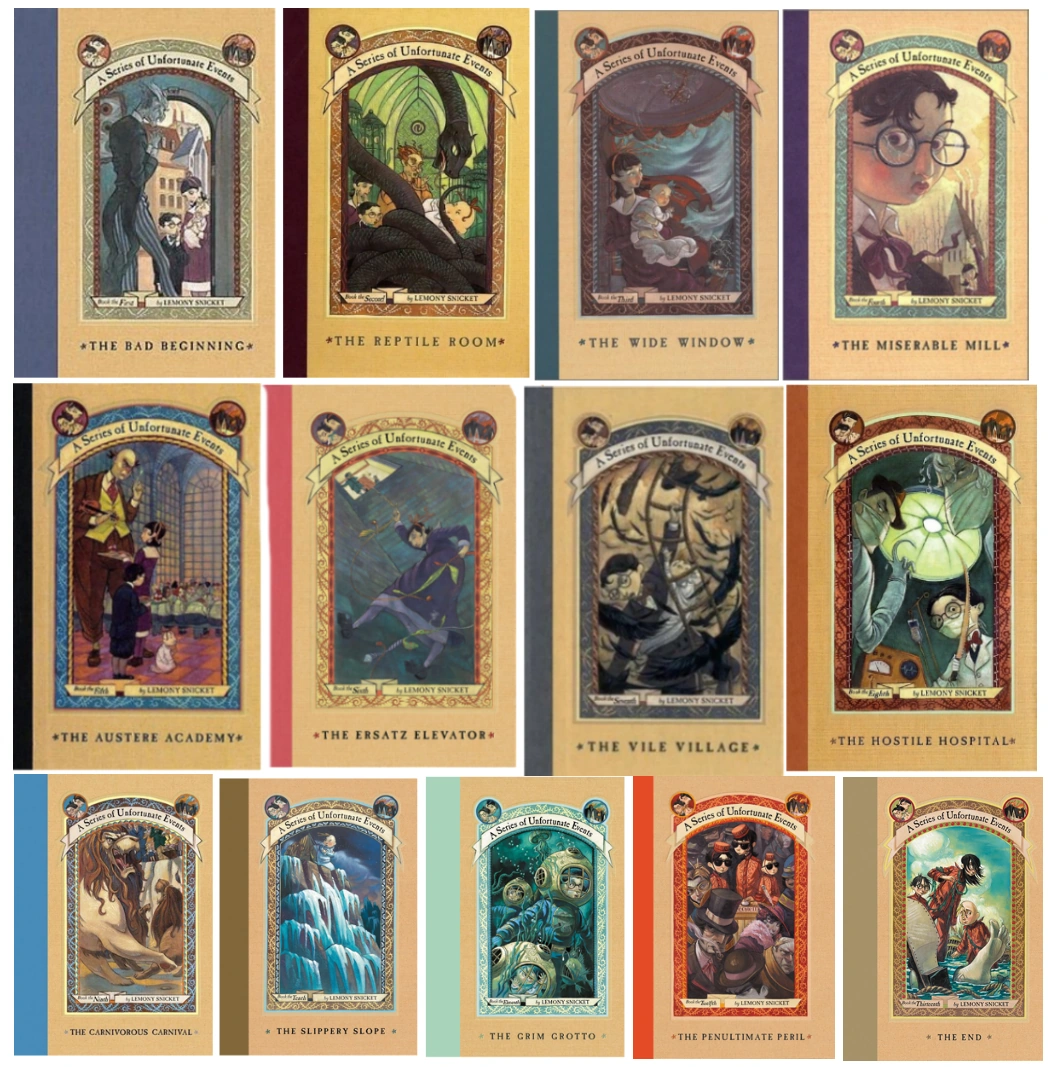
Tomorrow, the third and last season of Netflix’s A Series of Unfortunate Events will premiere. I plan to binge it starting the minute I wake up and weep until the moment I fall asleep. Based on the thirteen book series of the same name by Daniel Handler, (using the pseudonym Lemony Snicket) the Netflix series has been a beautiful adaptation that wonderfully captures the quirky and rich tone of the books.

A Series of Unfortunate Events, or ASOUE as I will refer to it from here on out, is technically considered children’s literature, and indeed I read it for the first time as a child. But, as with the best books, with every reread (I think I’m on number 5) the series becomes richer, and I truly believe it is for adults as much as it is for children.

In the summer of 2018, I began to reread the last few books of the series to prepare for the new season. About this time, Ricky Jones, minister at RiverOaks Presbyterian Church in Tulsa, began a series on the book of Ecclesiastes in the Old Testament. As I was listening to these sermons and reading these books, I came to a realization: ASOUE embodies the lessons of Ecclesiastes, and it does so better than any other book I’ve read.

So with that claim, I’d like to show you how this children’s series teaches the book of Ecclesiastes, and why you should read it to your children and/or to yourself.

What Are These Unfortunate Events?

ASOUE follows the lives of the three Baudelaire children: Violet, 14 years old and a gifted inventor, Klaus, 12, who is an avid reader and researcher, and Sunny, a baby (although “baby” is a loose term in this universe) who has sharp teeth useful for biting things and later becomes a chef. The series is a mishmash of all sorts of genre, but “gothic absurdism” is probably the best term for it. The TV show has been described as Wes Anderson meets Tim Burton, which is certainly a start, but that is not enough to fully encapsulate the stylism (and heart) of the series.

In the first book, The Bad Beginning, the children are orphaned by a terrible fire that also destroys their home. They are sent to live with a relative they didn’t know existed, Count Olaf. They find that Olaf is an evil man who only adopted them in order to steal their fortune, and was the one who murdered their parents for that sole reason. In the first book alone, he slaps Klaus, locks Sunny in a cage and suspends her on top of a tower, and his plan to get the Baudelaire fortune is to try to marry Violet.

(On a side note, I can’t believe a publisher read this and thought, yes, this is a good investment. And then some movie and TV executives were like, yes, this is a good investment.)

If that sounds all very questionable, hold in your outrage and keep reading. We’re going to put a pin in that.

Anyway, the Baudelaires succeed in foiling Olaf’s plan and reveal him to the authorities, but Olaf escapes capture. After this, the next six books appear to follow a formula. The Baudelaires are taken to another relative’s home, the relative either seems mean and incompetent or is kind and then quickly killed, and Count Olaf shows up in a disguise to try and take the Baudelaire fortune. He always manages to escape arrest because no adults believe the Baudelaires when they try to reveal Olaf under his disguise.

By the eighth book, the Baudelaires are on their own, on the run after being framed for murder, but Count Olaf still manages to find them wherever they go. As the series goes on, the Baudelaires find themselves doing more and more of the villainous things Count Olaf has done, like wear disguises, lie, and burn things down. They realize that maybe they were not as heroic as they thought and that anyone if pushed could commit evil deeds. The series ends at a point where the Baudelaires and Count Olaf are uncomfortably similar, have both committed the same evil deeds, and on the same (literal and figurative) boat. The heart of the story is the classic question of is there any such thing as purely good or bad people?

This is a coming of age narrative, as most children’s books are. Most children’s books tell children they are going to face hard times and will need to rely on love and friendship to overcome it. A powerful example of this is the Harry Potter series.*

But ASOUE, I believe, goes a step further by showing its protagonists doing really terrible things, which makes the story not about children overcoming evil with good, but about children coming to terms with the way evil is in all of us, and how that should shape our worldview and the way we deal with others. The series’s thesis, if you will, can be summed up in this quote that is repeated in several books:

“People aren’t either wicked or noble. They’re like chef’s salads, with good things and bad things chopped and mixed together in a vinaigrette of confusion and conflict.”

The series, while sometimes fantastical, are grounded enough in reality that the villainy of the various characters feels very different from other children’s books. Harry Potter, for example, has its villains kill other characters through magic. The magic element creates some distance between the reader and the action because we know magic doesn’t exist in our world.  

ASOUE is whimsical, subversive, and dead-pan in enough areas that the villainy displayed is not gratuitous or sensational, or even clearly recognized as the following things, but technically, ASOUE includes characters (both good and evil) kidnapping, physically abusing, abandoning, and attempting to perform non-consensual surgery on children. Characters also fake suicide, murder others, are shipwrecked, join cults, experience mob violence, and die giving birth.

At this point you may be saying, “Hold up. I am a good parent who doesn’t want my child to read about people, including the child protagonists, lying, stealing, and committing arson! And I don’t want a series that illustrates teachers, guardians, and other trusted authority figures doing all of those terrible things and other adults turning a blind eye.”

Put a pin in that too, we’ll return to that.

In ASOUE Lemony Snicket is the author and narrator. He is a character within the story, recording the events of the series. He constantly interrupts the story to say how he obtained this evidence, how he is related to different characters in the story, and offers advice to the reader. He is the Sarah Koenig of the fictional universe in ASOUE, recording the story of these children whose parents he knew. Sometimes his commentary is funny (“The children were not born yesterday… Neither were you, unless of course I am wrong, in which case welcome to the world, little baby, and congratulations on learning to read so early in life”). But usually, his commentary is melancholy and used to reflect on the themes of the series (“The sad truth is that the truth is sad”). He acts like the narrator, the preacher, in Ecclesiastes.

The Book of Ecclesiastes, Briefly Explained.

In “The Bittersweet Symphony,” Pastor Ricky introduces Ecclesiastes by telling us what the author (most likely King Solomon) is trying to say. Ricky says,

“The author of Ecclesiastes… wants to explain life to us. He wants to tell us how to avoid the potholes he himself has fallen into. It’s a hard lesson, a hard message. Grown-up messages usually are… He has to show us the emptiness of every ambition. The ambition for knowledge, for wisdom… for success, for money, for power. He forces us to face the bitter folly of chasing after those things. He teaches us the very simple truth: enjoy the life you have, it’s a gift from God, and wait upon the judge to make things right.”

Ricky goes on to use an illustration of a man who takes his kids to a junkyard. The man pulls his kids aside and points out the cars that are all rusted and broken up, and says to them, “You see those rusted out, junk cars? Those all made someone really happy one day.” He keeps pointing out items and saying, “All those things you think are so important? They’re all going to end up here.”

In the last book, aptly titled The End, the Baudelaires wash up onto an island, and the people on the island repeat several times that “everything washes up on these shores.” The children find all sorts of items, both from their own lives and not, have washed up on the island into a literal junkpile. The book takes a lot of time to express both sadness and relief that everything ends up such. In the worldview of ASOUE, like Ecclesiastes, there is comfort in the fact that nothing is new under the sun, and everything will be equal in the end.

Ricky goes on to talk about why Christians often hate Ecclesiastes, and it’s because most books of the Bible are studied by going through them verse-by-verse, which is great for other books but terrible for Ecclesiastes. If you only look at verses two through four, you get:

Vanity of vanities, says the Preacher, vanity of vanities! All is vanity. What does man gain by all the toil at which he toils under the sun? A generation goes, and a generation comes, but the earth remains forever.”

Wow, what a bummer. Might as well stop writing right now, as what’s the point?

Similarly, reading the first few books of ASOUE, which appear to be really repetitive, might equally frustrate you. But once you read the whole series, like the entire book of Ecclesiastes, things start to come into focus.

The repetition is purposeful. Ricky says that Ecclesiastes teaches that “life is a circle. Ignore that to your frustration, or embrace it and find peace…. Those circles frustrate people who are trying to get somewhere.” But circles are comforting for those who understand them. Circles and patterns of life help us know we’re not alone.  

The repetition of ASOUE, then, makes sense. Not just from a narrative standpoint but a thematic one. And yes, it is frustrating. When I was younger my dad read me dozens of books and series out loud before bed. He read the entirety of The Chronicles of Narnia and The Lord of the Rings, but it was ASOUE that nearly broke him, because of the repetitive nature of the beginning of the series.

Yet this is used to great effect. In the series, after the first few repetitions, the Baudelaires learn that no one is going to save them from Count Olaf, so they begin to proactively work to protect themselves. After a few more repetitions, they realize they are becoming more like the flawed adults in their lives, and so they begin to forgive those adults and ask for forgiveness themselves. And by the end of the series, they finally are able to find it in themselves to admit that they know their parents aren’t coming back, and are able to give up waiting for them and instead focus on parenting a child whose mother has just died, becoming parents themselves.

The book of Ecclesiastes teaches that, in Ricky’s words, “Meaning cannot be found under the sun. If you’re trying to justify yourself through your job, by your money, by your pleasure, by your family, by your wisdom, you will fail… by helping the poor, overturning oppression, you will fail. Wrong will only be made right when everyone stands before the judgment, and on that day, you will have meaning. You’ll understand why you are here and what this life was for…. On that day we will be comforted… But until that day, remember the Lord.”

In ASOUE, all of the above justifications are embodied by different characters, and all of those characters end up dead, sad, and with many regrets. Olaf is clearly driven by greed, pleasure, and ambition. Justice Strauss tried to help the poor and overturn oppression. Even Kit Snicket tried to live a noble life, but her ideals of bravery and family and goodness did not lead to satisfaction because she put her faith in a human- therefore flawed- organization. Through these failings of others, the Baudelaires see all the ways they cannot define their life.

A Misrepresentation

A shallow reading of ASOUE has caused some readers to come to the conclusion that this series, because of the multiple adult characters who fail to see a villain in disguise, is about adults being stupid and kids being smart.

That is not what this series is about.

It is made clear in each book that every adult who doesn’t help the Baudelaires or seems inept chooses to be so because of self-preservation, or it is inconvenient for them to intervene, or it doesn’t fit into their worldview. Many of the adults in the series are good and do try to help the Baudelaire, and many who fail them are later forgiven and do the right thing when given another shot. All of this is used to illustrate the series’s point that children see the world in black and white, and when they grow up, they realize how much more complicated it is, and that they will eventually be more like those people then they wanted to be.

In the climax of the series, Snicket summarizes this theme by saying, “Each story had its story, and each story’s story was unfathomable in the Baudelaire orphans short journey” (The Penultimate Peril). The series takes the, “you become your parents” saying quite literally. It is a not a ‘kids rule, adults drool’ tale. It is a tale about giving children the tool they need to have empathy and forgiveness for the adults who will let them down, and gently tells them that they will do the same to others.

The series, as a coming of age narrative, boils down to this:

Children, you are so bright and talented, and the world needs you. Your thoughts, your skills, and your experiences are all important and should be paid attention to.

As you grow up, you are going to see adults who are supposed to protect you, let you down. Many times, they don’t mean to. But as you grow into an adult yourself, you’ll realize that the world is very complicated. It is full of secrets and full of people not knowing what to do, and being forced to make very difficult choices. Everyone comes from different places and has limitations. You don’t know everyone’s story.

Join with people who, even when they make mistakes, never give up trying to learn more about other people and the world. Forgive everyone, because you need forgiveness, too. Sometimes you’ll do things you swore you’d never do, and that will help you realize that everyone needs a second chance. But sometimes people are never going to be healthy or safe to be around, and that’s when you need to cut them out of your life.

Everyone is full of good and evil inside of them. It is your job to try and bring out the best in others and yourself, and make the world a more peaceful place. That doesn’t mean hiding out in places where you feel secure. That means going out into the world, into the brokenness and danger, and loving it the best you can. Even if you never see it come on this earth, long for justice and peace. Sometimes your life will feel like a big mystery itself, and you will wish for answers. One day, you will get them. For now, love the life you have. It is a gift.

You may have noticed in that some similarities to Ecclesiastes. The mystery of our existence. The desire for a judgment day and comfort. Honesty about the state of the world.

Like Ecclesiastes, this is a very grown-up message, particularly for children, but I can’t think of a better one to impart (to people of all ages) in order to begin to sow the seeds of wisdom, empathy, resilience, and hope.

Nothing is Unproblematic

ASOUE is not a perfect allegory by any means. Daniel Handler is a self-described “secular humanist,” and that certainly comes through. The series is a cry for justice, but it ultimately comes to the conclusion that such a thing doesn’t actually exist, because humans can never be truly just, and the series offers no higher power. 

The books bravely explore the depravity of man but offer no hope except that people can just try to be the best they can and sometimes that will end up being enough. The books advocate forgiveness, hospitality, and sometimes, absolute truth, but there are no reasons behind those things except that it’s the moral thing to do. The themes of generational sin and breaking from it are all framed through the lenses of characters realizing their own capacity for evil, but ultimately choosing to do good, assuring readers that you are ultimately in control of your ability to be righteous. The Bible instead teaches that humans are completely depraved and are slaves to sin, and are only freed from that when saved.

These contradictions are most present in The End, which borrows imagery from Genesis’s temptation in the garden in a way that reinterprets God and/or religion as a strict and abusive parent that only serves as the opium of the people, Karl Marx style. Yet in the same book the Christmas story- God coming from a holy and perfect place to dwell among sinners- is beautifully illustrated.

Oh, and of course, the previously mentioned violence, which is very tastefully handled and not nearly as shocking in the context of the books as it is me putting it in a list, but can still be very grim for the target audience (although most of those things can be found in the Bible, and often in the stories that frequent children’s church and VBS).

And finally, there have been multiple allegations of Handler making inappropriate comments to women, and there was the infamous watermelon “joke” he made while presenting an award to Jacqueline Woodson 2014. I’m not going to go further into it, but this history does, for me, put Handler firmly in the category of “creative person I greatly admire but would never actually want to meet in real life.”

Yet I don’t think any of that should dissuade you from reading ASOUE, and here’s why.

Everything Can Be Holy

Pastor Timothy Keller writes that,

“The Bible consistently teaches what theologians have come to call ‘common grace,’ a non-saving grace that is at work in the broader reaches of human cultural interaction. This gift of God’s grace to humanity, in general, demonstrates a desire on God’s part to bestow certain blessings on all human beings, believer and non-believer alike…. God also shows common grace by revealing knowledge of himself through human culture, for human culture is simply a wise recognition and cultivation of nature… All artistic expressions, skillful farming, scientific discoveries, medical and technological advances are expressions of God’s grace.”

Boiled down, common grace is the idea that every human, no matter what belief system he/she ascribes to, reflects the image of God and that all human civilizations carry truths about God and his creation. Christians have much to learn from the art, teachings, and stories of non-Christians. ASOUE then is worth reading because of the truths it carries. I have just illustrated some of the wisdom that can be found from its pages.

Of course, as with consuming any type of media, everyone must determine for themselves how discerning they must be. Some children are not ready for the dark turns the series can take. Some adults may not have a firm enough handle on their faith yet to consider the philosophical attacks the series poses on Christianity. Some children are not able to understand the bad actions of the characters within their larger meaning and consequences. These questions ought to be thoughtfully considered.

But for those who are now intrigued and feel confident that they can read the series, here is what I think will be gained.

The Concluding Case

I rank ASOUE alongside The Chronicles of Narnia and The Lord of the Rings with books that, as an elementary/middle schooler, gave me the metaphors I needed to understand the world around me. These books helped me reconcile what I was experiencing in the world with the lessons I was learning in church. They showed me that the biblical lessons I was being taught contained answers that people, whether people in my life or these fictional characters, were looking for.

ASOUE, unlike Narnia, is not a straight allegory, and certainly not an intentionally Christian one at that, so when it asks questions, it doesn’t have an answer. In that way, the series is comforting to those of us who need to know its okay not to have answers, or need to be comfortable wrestling with doubt and pain. ASOUE is a lamentation for all sorts of things. In fact, at almost the very end of the last book, our main characters just sit together and cry, lamenting for all of the tragedies the series describes. It reads,

“There is a kind of crying I hope you have not experienced, and it is not just crying about something terrible that has happened, but a crying for all of the terrible things that have happened, and not just to you but to everyone you know and to everyone you don’t know and even people you don’t want to know, a crying that cannot be diluted by a brave deed or a kind word, but only by someone holding you as your shoulders shake and your tears run down your face” (The End).

Beat that, Percy Jackson and the Olympians.

I kid, I kid. But the resoluteness of ASOUE to face pain, hardships, and unknowns, and to not give superficial answers to children, strikes me as extremely admirable.

Now, as a young adult, not only does re-reading ASOUE give me a greater appreciation for Handler’s writing and the allusions and sophisticated jokes and puns that went over my head as a kid, but it also helps me in a different way. In this world of both overwhelming depressing news coverage and overwhelming distraction, it can be very hard to meditate on the role of pain in one’s life, and I find this series helping me do that very thing. I can also realize with greater clarity now that ASOUE isn’t complete.

If we take the four pillars of the gospel- creation, fall, redemption, and restoration, ASOUE only offers reasons for creation and fall. The whole series circles around a big question mark, a big question mark that we know is a savior, a redeemer. ASOUE, admirably, doesn’t lie about what that question mark is, but shrugs its shoulders and admits that it doesn’t know. To make up for not knowing, it offers some suggestions on how to make a better, more tolerable world, and how to do so in a kind and gentle manner that is beneficial to others. It certainly provides moralistic messages. However, that isn’t a sufficient answer. ASOUE’s version of morality is sophisticated and wise. But it is still vanity.

Let’s put it like this: ASOUE is the beginning of Ecclesiastes. It is the Ecclesiastes without the hope. And for a time, we need that. We need to acknowledge, reflect, and mourn on our own brokenness and that of the world. Revisiting that at any age is incredibly important as Christians. That’s why you should read this series.

Then after that, we need to find the rest of the story. And that’s where Jesus comes in.

Merry Christmas and a Happy New Year!

-Madeleine D.

P.S,

There are many, many more things I could say on this subject, and would be happy to drop everything and talk about it at literally any time! Come talk to me about the symbolism of the VFD eye, or how Sunny’s specialty of cooking furthers the theme of safe places. I’d love to discuss how underrated Daniel Handler is in his consistently good female representation, or how terrible Daniel Handler’s books for adults are compared to his ones for children. Or ask me about how I feel about the adaptational differences between the book and show (but do not ask me about the 2004 movie. We don’t talk about that one.)

*No intended disrespect to Harry Potter. I’m oversimplifying. He shares a lot in common with ASOUE.

Memo From a Hollywood Producer

A Satirical Follow Up To A Screenwriter’s Guide to Female Characters

hollywood

Dear Fellow Producers,

In our post Harvey Weinstein, #MeToo, #TimesUp world, women are starting to speak up about the harassment and abuse they face, apparently on a semi-regular basis. They say they’ve been talking about it for a while, but everyone knows something isn’t real until it is acknowledged by a man and given a catchy hashtag.

It looks like this thing is not coming to an end any time soon, so now it’s time to move forward, similar to how we did before, but with minor changes so SJWs won’t be angry at us.

As a well-established Hollywood producer, I have had the opportunity to greenlight many projects. My main criteria for choosing what to greenlight are basically these:

  1. Will it make money?
    1. With this, consider: what is the ethnicity of the main characters? Gender breakdown? Sexual orientation? How many stereotypes will not be broken in this film? Does it have Dwayne Johnson in it?
  2. Is it as low risk as possible?
  3. Does it fit my specific worldview and bubble, while also having the ability to be marketed as “exciting” and “progressive” based on the extremely low standards we have?

Going back to #1a, consider the new dilemma with this whole female empowerment thing. Women now want to be in movies, and not only do they want to be in movies, they want to be a part of movies, in a big way. Big is very hard to define. They want “complex roles” and “equal pay” and to “not be assaulted on set.” Those are clearly not clear expectations.

So I have discovered a solution, and it is this: don’t have women in your movie.

But wait! You may say. I have a woman in my life. I have a woman- wife, a woman-daughter, a woman-mother. I may even have a woman-friend. Last time I checked, women make up, like, at least 30% of the population.

I understand that, dear associates. But think about it this way. If that said woman-person saw your movie, and wasn’t pleased with how women were portrayed in it, then they’ll nag you about it. Wouldn’t it just be better to make a movie without women? That way, nothing bad could possibly happen, and everyone wins.

Suggestions for what movies to make so you don’t have to include women in them:

  1. Historical dramas. We here in Hollywood have never been shy about ignoring, white-washing, warping, and outright lying about history. It’s not like women have done much in history anyways. So just make movies that take place in a vague, historical period. If you do want female characters, they can be wives, maids, waitresses, nameless peasants, or whatever, because that’s all women were in most of history. Obviously everyone will understand and accept that. It’s tragic, but true.
  2. Superhero movies. Women are just not inherently heroic. Have you ever seen a mother protecting her child or defending her thoughts?  No? I thought not. Also- they don’t have an inward thirst for justice. The normal superhero story, of going from a marginalized, unheard, tread-upon person to an empowered figure is only a male story. How is #MeToo going to object to that?
  3. Political dramas. There are no women in politics, and if there are, they lose the electoral college after winning the popular vote.
  4. Horror. Either you have no women, or you kill them off in the first few scenes. Then, to keep people from critiquing it, you have a character say in a super meta-way, “oh man, the black guy and the girl always get killed first!” That way, no one will be mad because you are so totally hilarious and making a political point.

I call these movies with primarily or exclusively male casts ‘malevies.’ They represent an important tradition in Hollywood that is our duty to carry on.

Another important thing to consider is that if there are no women in your movie, there isn’t any possibility for pay disparity! Win-win!

As men who were birthed by women, we are all very clearly concerned about the finer points of this feminist movement. We are doing our best to listen to these women, or at least, listen to other men, who in turn heard a news report that reported what another news report said what a woman said, and make the necessary changes.

But it also must be acknowledged that this is a scary time for us. Because of all of these accusations, it is clear we cannot even say “hello” to a woman without her claiming it as assault. We can’t lock the door to our hotel room with the underage intern assistant inside anymore. We can’t even work without our pants off anymore. When will this craziness end? Who knows, but we must move forward.

Throughout all of this, we also have a responsibility as businessmen to keep the status quo strictly as it is. So remember, you can’t be sexist if you don’t acknowledge that women exist in the first place.

Go forth, and make great malevies!

A Screenwriter’s Guide to Female Characters

Dear Aspiring Screenwriters,

As a respected screenwriter, I have decided to pass on some of my knowledge to the newest generation of screenwriters. Hollywood is a hard business, and you’ll need all the help you can get.

One of my biggest achievements is being praised for my Strong Female Characters. In this day and age, my fellow writers, we can’t afford to be lazy in writing female characters. The Social Justice Warriors are rampant. In fact, they stand outside your homes and plot to kidnap you if you do one thing wrong. We can no longer go back to the glory days of Hollywood where there were all-male casts. Now there are films being made with almost half the cast being female! Between you and me, I understand how ridiculous and unfair this is, too. But alas, the times are changing, and we must adapt with it. Luckily, I have some tips to help you navigate these tricky new waters.

There are three types of women you can write, because there are only three types of women in the world. The Strong Female Character Who Fights, The Strong Female Character Who Cries, and the Strong Female Character Who Nags. They all must be Strong Female Characters, because if you don’t make sure to include that when you introduce them, people will crucify you on Twitter. But just so you know, Strong Female Character doesn’t require much, so don’t worry.

strong-female

The Strong Female Character Who Fights is a very popular character right now. She is a warrior goddess. She is thin, wiry, and white (occasionally can be something else, see below). Make sure to have her introduction scene be awesome, like, about half the quality of the Main Hero Man’s action scenes. She has to fight people by wrapping her legs around them, or another fight method that could be interpreted as being seductive, and she has to show the Main Hero Man how better she is than him. That way, no one can call you un-feminist. After that, you can ignore her as much as you like, because if people ask why she loses her fighting ability in the next scene, just remind them how awesome she was in the first scene. People will forget.

Make sure that if you have a Strong Female Character, make her natural. Men like natural women. Now, of course she has to wear makeup and tight leather, which I’m sure is easy to fight in, but never show her doing anything to her appearance. That’s girly and not at all Strong. Make sure she has witty, yet flirtatious comebacks. If she is in a group, she must be the only female character. A ratio of 1:5 is good. Remember: male audiences cannot relate to women on any level, so make sure they have plenty of diverse male characters to relate to. Also make sure that the Main Hero Man and Strong Female Character Who Fights get together in the end. It doesn’t matter if you haven’t set the relationship up. They have both punched people before, so their connection is obvious.

If your Strong Female Character Who Fights is going solo, be careful. Make sure that her motivation is strictly from either a bad relationship (women get emotional about that kind of stuff) or the death of a family member, particularly the men or children in her life. Women do not have the same inherent sense of justice that men to, due to them probably never being a victim of injustice (like men often are) and so everything about them must be attached to a relationship of some kind. Plus, this will add to her Layered Personality.

If you choose to have any of your main female characters be black or any other ethnicity, make sure to get the actress to be as light-skinned as possible, to make sure everyone is comfortable. And remember- it doesn’t matter if your female character doesn’t look like she could lift a stick. If you have a curvy or overweight actress, then you are glorifying obesity and will make the character a bad role model to young girls. On a side note, feel free to cast anyone from Chris Hemsworth to Jonah Hill as your Main Hero Man.

The Strong Female Character Who Cries used to be called the Romantic Interest, but social media doesn’t like that term anymore, so describe them with words like “Complex” and “Vulnerable.” She’s the character who stays at home and supports the Main Hero Man from a distance. She cries a lot, and hugs her children even more, because she is vulnerable and complex. You don’t need to show deep reasons for her pain. People will just get it, and the actress will probably get nominated for Best Supporting Actress. If you really want to make this character more interesting, have her be a victim of violence (if you want to go for the edgy Oscar, show this scene in grotesque detail without sympathy for real-life victims. Claim it is for the purposes of Art). Then the Main Hero Man will have a reason to fight besides his inherent sense of justice. You don’t need to examine the character’s growth after the violence occurs. Just make sure the Main Hero Man has righteous anger. If you’re afraid people will criticize you for the character, have her punch someone, cut her hair short, or say a curse word to secure her inner strength.

The Strong Female Character Who Nags includes girlfriends who want the Main Hero Man to marry them already, any Latina women, wives, grandmothers, mothers, mothers-in-law, and really any character that displays any distinctly feminine traits or have children (save for the Strong Female Character Who Fights, who only has dead children). Remember, for women to be strong and likeable, they need to be more masculine. Don’t even try to incorporate interesting observations on gender politics. Have a women punch a bad man in the face, and everyone will be happy.

Remember that in press interviews, refer to your female characters as Female Characters, and male characters are just characters. There is a distinct difference. Keep in mind, also, as you write that audiences are easily confused. Making your female character funny, or evil, or conflicted on any issues beside which shoes to buy, may confuse them, especially target-audience teenage boys who don’t regularly engage with girls and therefore don’t need to know about them.

Don’t forget this extra pro-tip: women love to use their sexuality as their first tool. Make sure your Strong Female Character That Fights uses her seductive powers in situations where her pre-established ability to fight could come in handy. It will appeal to every audience.

Keep writing, dear fellow screenwriters. I know it’s tricky new terrain, but using these easy tips, I think you will all be successful in creating an exciting and original career!

Sincerely,

A Hollywood Vet

Kleenex Shortage Points to Dory

TULSA, OK- Since the release of Pixar’s Finding Dory, the tissue-paper company Kleenex has had a product shortage.

“They’re definitely related,” Parent company Kimberly-Clark CEO Thomas J. Falk said. “We had similar numbers when Inside Out, Toy Story 3, and Up came out.”

Finding Dory Kleenex

When we talked to Pixar’s Chief Creative Officer, John Lasseter, he just shrugged. “That’s what we hope will happen. In all our movies, we try to have a really emotional core. Like, super emotional. We have test audiences cry into buckets, and if they don’t fill the buckets, we scrap the scene and add a death or animal farm and holocaust imagery. If a voice actor doesn’t cry while recording, we also take note. Once, an animator got so emotional while animating, we had to send him home early because he got water in the computer. That was the main computer for Cars 2.”

Kleenex said they are not upset with Pixar. “We love the business,” Falk said. “We can’t complain. This has been the biggest surge in business this year save for the weird shortage on July 4th this year in Oklahoma.”

Pixar’s next movie will be Cars 3, much to Falk’s reported disappointment.

-Madeleine D


[Editorial Note: This post is satire, and is thus fake, and exists basically to make you laugh]